

Shopify Design for DTC & Ecommerce Brands
Strategic Shopify design that strengthens brand experience and supports conversion


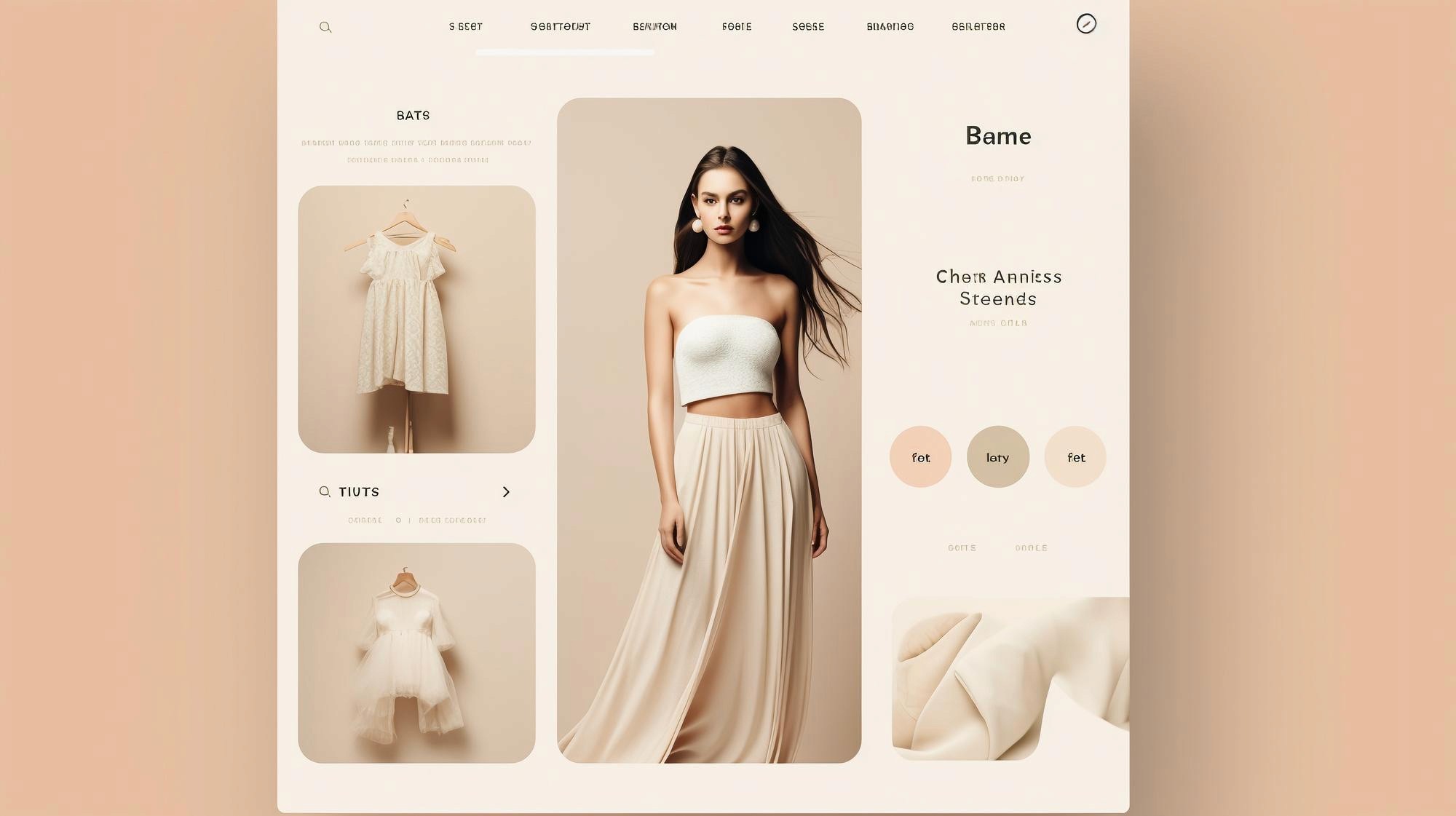
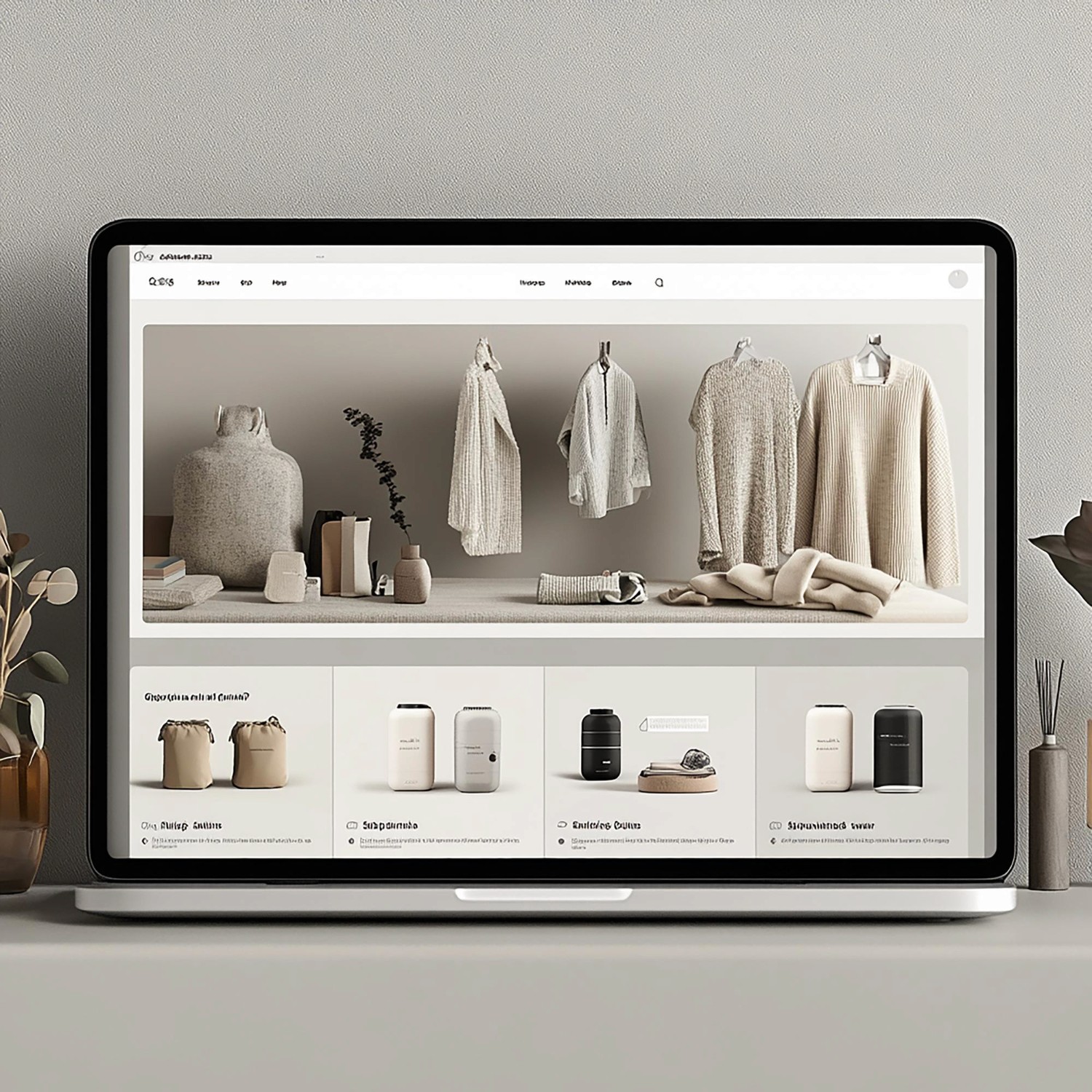
A well-designed Shopify store plays a central role in how customers perceive a brand and how easily they move toward purchase.
Shopify design is not only about visual aesthetics. It also shapes how visitors navigate the store, understand products, and develop confidence in the buying process.
At UXphoria, Shopify design combines ecommerce UX principles, conversion awareness, and premium visual execution to create stores that feel both credible and easy to use.
Share a few details about your store and goals. We’ll review your project and reply by email.
The Role of Design in Shopify Ecommerce
Design influences nearly every stage of the online shopping experience. From the moment visitors arrive on the homepage or a landing page, the structure of the interface determines how quickly they understand the brand and the products being offered.
A well-structured Shopify store helps visitors:
understand the brand and product value quickly
navigate through categories and collections easily
evaluate products with confidence
complete purchases without unnecessary friction
When design supports these goals, the overall shopping experience becomes clearer and more efficient.
Effective Shopify design
Key Elements of Effective Shopify Design
Effective Shopify design brings together several components that shape the user experience.
Clear Visual Hierarchy
Visitors should immediately recognize the most important information on a page. Through typography, spacing, and layout structure, good design helps users understand: - the brand message - the main product offering - the next step in the shopping journey A clear hierarchy allows visitors to scan pages quickly and locate relevant information without confusion.
Structured Product Presentation
Product pages are among the most important pages in any ecommerce store. A well-designed product page presents information in a logical order so that customers can evaluate the product effectively. Important elements include: - product imagery and media - product benefits and descriptions - customer reviews and social proof - purchase options and pricing A structured layout makes it easier for customers to compare information and decide whether the product fits their needs.
Mobile-Optimized Layout
Mobile devices account for a large share of ecommerce traffic. Shopify design therefore needs to prioritize mobile usability, ensuring that pages remain easy to navigate and read on smaller screens. Mobile-focused design typically emphasizes: - simplified layouts - clear navigation elements - fast loading times - easily accessible purchase actions A strong mobile experience contributes significantly to overall store performance.
Trust and Transparency
Trust plays a critical role in ecommerce purchasing decisions. Design elements that reinforce trust may include: - visible customer reviews - clear shipping and return policies - transparent pricing information - reassurance elements during checkout By integrating these elements naturally within the interface, Shopify stores can reduce uncertainty during the buying process.
[04]
Process
UXphoria’s Approach to Shopify Design
Shopify design projects at UXphoria combine design execution with a broader understanding of ecommerce user experience.
The goal is not simply to create a visually appealing interface, but to design a store that supports both the brand and the customer journey.
3-5 Days
To kick off after signing. No lengthy onboarding, just straight to work.
48 Hour
turnaround on most requests. Complex projects broken into manageable sprints.
01
Customer Journey Understanding
Before design work begins, it is important to understand how visitors interact with the existing store. This includes reviewing: navigation patterns product page behavior points of hesitation within the funnel These insights help inform design decisions and highlight areas where improvements can be made.
02
Conversion-Aware Design
While design alone does not guarantee conversion improvements, thoughtful design can support clearer purchase decisions. This may involve improving the layout and clarity of key templates such as: landing pages product pages cart pages checkout steps These pages often play a significant role in the purchasing process.
03
Premium Ecommerce Interface Design
UXphoria focuses on creating Shopify interfaces that feel modern and credible while remaining easy to navigate. Key design considerations include: refined typography and spacing clear layout systems high-quality product presentation balanced visual composition The result is an interface that reflects a premium brand while maintaining usability.
04
UXphoria focuses on creating Shopify interfaces that feel modern and credible while remaining easy to navigate. Key design considerations include: refined typography and spacing clear layout systems high-quality product presentation balanced visual composition The result is an interface that reflects a premium brand while maintaining usability.
As ecommerce brands grow, their Shopify stores often expand with new products, campaigns, and content. A well-structured design system allows the store to scale without losing visual consistency. This approach supports: new product launches marketing campaigns additional product categories evolving brand content
A short message is enough, we’ll respond with an initial perspective on your store.
Outcomes of Strategic Shopify Design
When Shopify design is approached strategically, it can contribute to several improvements in the ecommerce experience.


Stronger Brand Presentation
Consistent design strengthens brand perception and communicates professionalism.
Clearer Product Understanding
A structured layout allows customers to evaluate products more easily.

Improved User Experience
Improved User Experience
Better Use of Existing Traffic
An optimized store experience helps brands make more effective use of the traffic they already attract.
When Shopify Design Becomes Important
Many ecommerce brands consider redesigning their Shopify store when they encounter challenges such as:
the store visually feeling outdated
navigation becoming difficult as the catalog grows
inconsistent branding across the site
product pages not clearly communicating value
mobile usability issues
Shopify Design Process
Shopify design projects typically follow several stages.
1
Analysis
The existing store is reviewed to understand the current structure and identify usability issues.
Step 1
2
UX Structure
Improved layouts and page structures are developed for key templates within the store.
Step 2
3
Interface Design
The visual design is created with a focus on clarity, consistency, and brand alignment.
Step 3
4
Implementation
The designs are prepared for Shopify implementation or developed directly within the platform.
Step 4
Shopify Design and Conversion Optimization
Design and conversion optimization are closely connected in ecommerce. While design alone does not determine conversion rates, it influences several factors that support purchasing decisions:
clarity of information
1
trust in the brand
3
ease of navigation
2
confidence during checkout
4
When these elements work together, the shopping experience becomes more effective for both customers and businesses.
Tell us about your store and we’ll share where design improvements could strengthen the experience.
Shopify Design for DTC & Ecommerce Brands
Strategic Shopify design that strengthens brand experience and supports conversion
A well-designed Shopify store plays a central role in how customers perceive a brand and how easily they move toward purchase.
Shopify design is not only about visual aesthetics. It also shapes how visitors navigate the store, understand products, and develop confidence in the buying process.
At UXphoria, Shopify design combines ecommerce UX principles, conversion awareness, and premium visual execution to create stores that feel both credible and easy to use.
Share a few details about your store and goals. We’ll review your project and reply by email.
The Role of Design in Shopify Ecommerce
Design influences nearly every stage of the online shopping experience. From the moment visitors arrive on the homepage or a landing page, the structure of the interface determines how quickly they understand the brand and the products being offered.
A well-structured Shopify store helps visitors:
understand the brand and product value quickly
navigate through categories and collections easily
evaluate products with confidence
complete purchases without unnecessary friction
When design supports these goals, the overall shopping experience becomes clearer and more efficient.
Effective Shopify design
Key Elements of Effective Shopify Design
Effective Shopify design brings together several components that shape the user experience.
Clear Visual Hierarchy
Visitors should immediately recognize the most important information on a page. Through typography, spacing, and layout structure, good design helps users understand: - the brand message - the main product offering - the next step in the shopping journey A clear hierarchy allows visitors to scan pages quickly and locate relevant information without confusion.
Structured Product Presentation
Product pages are among the most important pages in any ecommerce store. A well-designed product page presents information in a logical order so that customers can evaluate the product effectively. Important elements include: - product imagery and media - product benefits and descriptions - customer reviews and social proof - purchase options and pricing A structured layout makes it easier for customers to compare information and decide whether the product fits their needs.
Mobile-Optimized Layout
Mobile devices account for a large share of ecommerce traffic. Shopify design therefore needs to prioritize mobile usability, ensuring that pages remain easy to navigate and read on smaller screens. Mobile-focused design typically emphasizes: - simplified layouts - clear navigation elements - fast loading times - easily accessible purchase actions A strong mobile experience contributes significantly to overall store performance.
Trust and Transparency
Trust plays a critical role in ecommerce purchasing decisions. Design elements that reinforce trust may include: - visible customer reviews - clear shipping and return policies - transparent pricing information - reassurance elements during checkout By integrating these elements naturally within the interface, Shopify stores can reduce uncertainty during the buying process.
[04]
Process
UXphoria’s Approach to Shopify Design
Shopify design projects at UXphoria combine design execution with a broader understanding of ecommerce user experience.
The goal is not simply to create a visually appealing interface, but to design a store that supports both the brand and the customer journey.
3-5 Days
To kick off after signing. No lengthy onboarding, just straight to work.
48 Hour
turnaround on most requests. Complex projects broken into manageable sprints.
01
Customer Journey Understanding
Before design work begins, it is important to understand how visitors interact with the existing store. This includes reviewing: navigation patterns product page behavior points of hesitation within the funnel These insights help inform design decisions and highlight areas where improvements can be made.
02
Conversion-Aware Design
While design alone does not guarantee conversion improvements, thoughtful design can support clearer purchase decisions. This may involve improving the layout and clarity of key templates such as: landing pages product pages cart pages checkout steps These pages often play a significant role in the purchasing process.
03
Premium Ecommerce Interface Design
UXphoria focuses on creating Shopify interfaces that feel modern and credible while remaining easy to navigate. Key design considerations include: refined typography and spacing clear layout systems high-quality product presentation balanced visual composition The result is an interface that reflects a premium brand while maintaining usability.
04
UXphoria focuses on creating Shopify interfaces that feel modern and credible while remaining easy to navigate. Key design considerations include: refined typography and spacing clear layout systems high-quality product presentation balanced visual composition The result is an interface that reflects a premium brand while maintaining usability.
As ecommerce brands grow, their Shopify stores often expand with new products, campaigns, and content. A well-structured design system allows the store to scale without losing visual consistency. This approach supports: new product launches marketing campaigns additional product categories evolving brand content
A short message is enough, we’ll respond with an initial perspective on your store.
Outcomes of Strategic Shopify Design
When Shopify design is approached strategically, it can contribute to several improvements in the ecommerce experience.
Stronger Brand Presentation
Consistent design strengthens brand perception and communicates professionalism.
Clearer Product Understanding
A structured layout allows customers to evaluate products more easily.
Improved User Experience
Improved User Experience
Better Use of Existing Traffic
An optimized store experience helps brands make more effective use of the traffic they already attract.
When Shopify Design Becomes Important
Many ecommerce brands consider redesigning their Shopify store when they encounter challenges such as:
the store visually feeling outdated
navigation becoming difficult as the catalog grows
inconsistent branding across the site
product pages not clearly communicating value
mobile usability issues
Shopify Design Process
Shopify design projects typically follow several stages.
1
Analysis
The existing store is reviewed to understand the current structure and identify usability issues.
Step 1
2
UX Structure
Improved layouts and page structures are developed for key templates within the store.
Step 2
3
Interface Design
The visual design is created with a focus on clarity, consistency, and brand alignment.
Step 3
4
Implementation
The designs are prepared for Shopify implementation or developed directly within the platform.
Step 4
Shopify Design and Conversion Optimization
Design and conversion optimization are closely connected in ecommerce. While design alone does not determine conversion rates, it influences several factors that support purchasing decisions:
clarity of information
1
trust in the brand
3
ease of navigation
2
confidence during checkout
4
When these elements work together, the shopping experience becomes more effective for both customers and businesses.
Tell us about your store and we’ll share where design improvements could strengthen the experience.
Shopify Design for DTC & Ecommerce Brands
Strategic Shopify design that strengthens brand experience and supports conversion
A well-designed Shopify store plays a central role in how customers perceive a brand and how easily they move toward purchase.
Shopify design is not only about visual aesthetics. It also shapes how visitors navigate the store, understand products, and develop confidence in the buying process.
At UXphoria, Shopify design combines ecommerce UX principles, conversion awareness, and premium visual execution to create stores that feel both credible and easy to use.
Share a few details about your store and goals. We’ll review your project and reply by email.
The Role of Design in Shopify Ecommerce
Design influences nearly every stage of the online shopping experience. From the moment visitors arrive on the homepage or a landing page, the structure of the interface determines how quickly they understand the brand and the products being offered.
A well-structured Shopify store helps visitors:
understand the brand and product value quickly
navigate through categories and collections easily
evaluate products with confidence
complete purchases without unnecessary friction
When design supports these goals, the overall shopping experience becomes clearer and more efficient.
Effective Shopify design
Key Elements of Effective Shopify Design
Effective Shopify design brings together several components that shape the user experience.
Clear Visual Hierarchy
Visitors should immediately recognize the most important information on a page. Through typography, spacing, and layout structure, good design helps users understand: - the brand message - the main product offering - the next step in the shopping journey A clear hierarchy allows visitors to scan pages quickly and locate relevant information without confusion.
Structured Product Presentation
Product pages are among the most important pages in any ecommerce store. A well-designed product page presents information in a logical order so that customers can evaluate the product effectively. Important elements include: - product imagery and media - product benefits and descriptions - customer reviews and social proof - purchase options and pricing A structured layout makes it easier for customers to compare information and decide whether the product fits their needs.
Mobile-Optimized Layout
Mobile devices account for a large share of ecommerce traffic. Shopify design therefore needs to prioritize mobile usability, ensuring that pages remain easy to navigate and read on smaller screens. Mobile-focused design typically emphasizes: - simplified layouts - clear navigation elements - fast loading times - easily accessible purchase actions A strong mobile experience contributes significantly to overall store performance.
Trust and Transparency
Trust plays a critical role in ecommerce purchasing decisions. Design elements that reinforce trust may include: - visible customer reviews - clear shipping and return policies - transparent pricing information - reassurance elements during checkout By integrating these elements naturally within the interface, Shopify stores can reduce uncertainty during the buying process.
[04]
Process
UXphoria’s Approach to Shopify Design
Shopify design projects at UXphoria combine design execution with a broader understanding of ecommerce user experience.
The goal is not simply to create a visually appealing interface, but to design a store that supports both the brand and the customer journey.
3-5 Days
To kick off after signing. No lengthy onboarding, just straight to work.
48 Hour
turnaround on most requests. Complex projects broken into manageable sprints.
01
Customer Journey Understanding
Before design work begins, it is important to understand how visitors interact with the existing store. This includes reviewing: navigation patterns product page behavior points of hesitation within the funnel These insights help inform design decisions and highlight areas where improvements can be made.
02
Conversion-Aware Design
While design alone does not guarantee conversion improvements, thoughtful design can support clearer purchase decisions. This may involve improving the layout and clarity of key templates such as: landing pages product pages cart pages checkout steps These pages often play a significant role in the purchasing process.
03
Premium Ecommerce Interface Design
UXphoria focuses on creating Shopify interfaces that feel modern and credible while remaining easy to navigate. Key design considerations include: refined typography and spacing clear layout systems high-quality product presentation balanced visual composition The result is an interface that reflects a premium brand while maintaining usability.
04
UXphoria focuses on creating Shopify interfaces that feel modern and credible while remaining easy to navigate. Key design considerations include: refined typography and spacing clear layout systems high-quality product presentation balanced visual composition The result is an interface that reflects a premium brand while maintaining usability.
As ecommerce brands grow, their Shopify stores often expand with new products, campaigns, and content. A well-structured design system allows the store to scale without losing visual consistency. This approach supports: new product launches marketing campaigns additional product categories evolving brand content
A short message is enough, we’ll respond with an initial perspective on your store.
Outcomes of Strategic Shopify Design
When Shopify design is approached strategically, it can contribute to several improvements in the ecommerce experience.
Stronger Brand Presentation
Consistent design strengthens brand perception and communicates professionalism.
Clearer Product Understanding
A structured layout allows customers to evaluate products more easily.
Improved User Experience
Improved User Experience
Better Use of Existing Traffic
An optimized store experience helps brands make more effective use of the traffic they already attract.
When Shopify Design Becomes Important
Many ecommerce brands consider redesigning their Shopify store when they encounter challenges such as:
the store visually feeling outdated
product pages not clearly communicating value
navigation becoming difficult as the catalog grows
mobile usability issues
inconsistent branding across the site
Shopify Design Process
Shopify design projects typically follow several stages.
1
Analysis
The existing store is reviewed to understand the current structure and identify usability issues.
Step 1
2
UX Structure
Improved layouts and page structures are developed for key templates within the store.
Step 2
3
Interface Design
The visual design is created with a focus on clarity, consistency, and brand alignment.
Step 3
4
Implementation
The designs are prepared for Shopify implementation or developed directly within the platform.
Step 4
Shopify Design and Conversion Optimization
Design and conversion optimization are closely connected in ecommerce. While design alone does not determine conversion rates, it influences several factors that support purchasing decisions:
clarity of information
1
ease of navigation
2
trust in the brand
3
confidence during checkout
4
When these elements work together, the shopping experience becomes more effective for both customers and businesses.
Tell us about your store and we’ll share where design improvements could strengthen the experience.
Industries We Work With



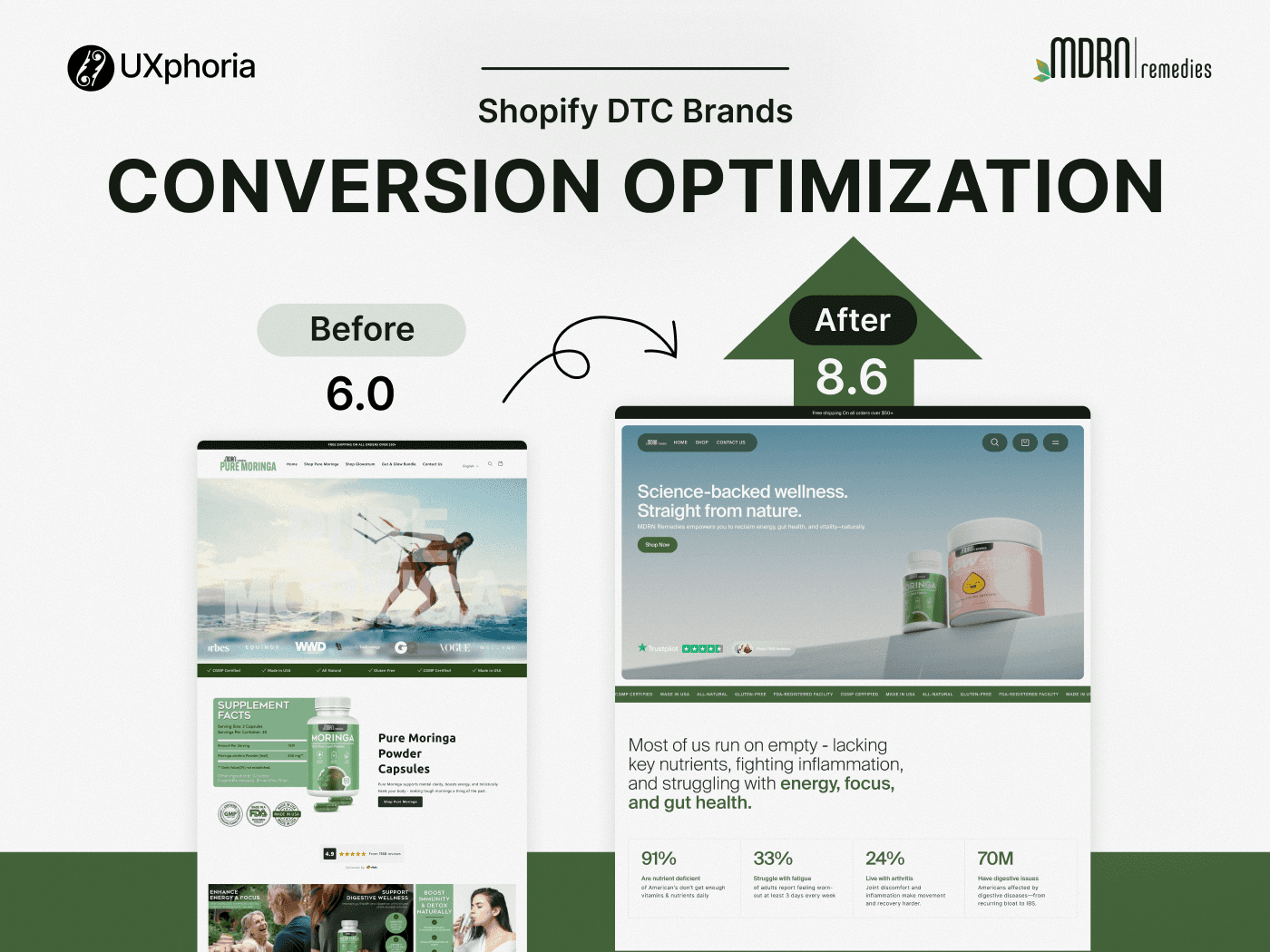
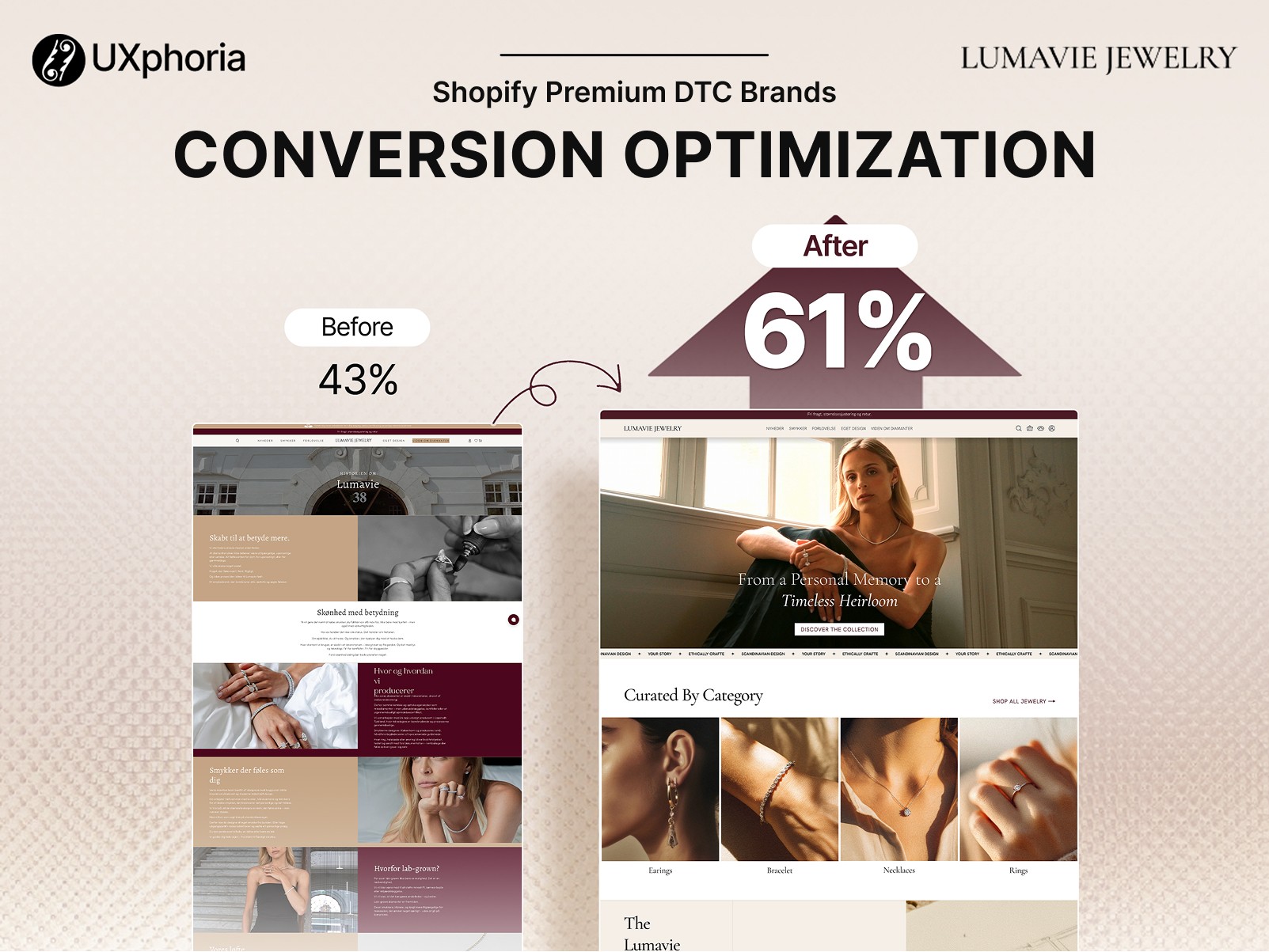
Shopify Case Studies

Related CRO Insights



Industries We Work With
Shopify Case Studies
Related CRO Insights
Industries We Work With
Shopify Case Studies
Related CRO Insights
FAQ It Up!
We’ve gathered all the important info right here. Explore our FAQs and find the answers you need.
Do you only design, or do you also build?
We design and build. We handle the full process, strategy, UX/UI design, Shopify or no-code development (Webflow, Framer), and launch support. Everything is built with conversion structure in mind, not just aesthetics.
Is CRO included in every project?
Yes. Conversion thinking is not an add-on. Every layout, section, and interaction is built around decision-making psychology and user flow. Some projects go deeper into A/B testing and experimentation, but baseline CRO logic is always applied.
What budget should we expect?
Our projects typically range from: • $2,000 – $4,000 (Growth) • $4,000 – $8,000 (Scale) • $8,000 – $10,000+ (Elite Launch) The right tier depends on scope, ambition, and growth goals. We focus on long-term performance, not one-off quick fixes.
Do you guarantee conversion increases?
We do not promise specific percentages. What we guarantee is structured thinking, proven CRO frameworks, and data-informed decisions. Real performance depends on traffic quality, offer strength, and product-market fit.
How do you communicate during projects?
We work async-first. • Slack or email for communication • Structured updates • Loom walkthroughs • Strategic calls when necessary This keeps projects efficient and focused.
Do you work with small or early-stage brands?
We work best with brands investing in growth. If your priority is the cheapest possible build, we may not be the right fit. If your priority is building a scalable, conversion-focused digital foundation, we can help.
FAQ It Up!
We’ve gathered all the important info right here. Explore our FAQs and find the answers you need.
Do you only design, or do you also build?
We design and build. We handle the full process, strategy, UX/UI design, Shopify or no-code development (Webflow, Framer), and launch support. Everything is built with conversion structure in mind, not just aesthetics.
Is CRO included in every project?
Yes. Conversion thinking is not an add-on. Every layout, section, and interaction is built around decision-making psychology and user flow. Some projects go deeper into A/B testing and experimentation, but baseline CRO logic is always applied.
What budget should we expect?
Our projects typically range from: • $2,000 – $4,000 (Growth) • $4,000 – $8,000 (Scale) • $8,000 – $10,000+ (Elite Launch) The right tier depends on scope, ambition, and growth goals. We focus on long-term performance, not one-off quick fixes.
Do you guarantee conversion increases?
We do not promise specific percentages. What we guarantee is structured thinking, proven CRO frameworks, and data-informed decisions. Real performance depends on traffic quality, offer strength, and product-market fit.
How do you communicate during projects?
We work async-first. • Slack or email for communication • Structured updates • Loom walkthroughs • Strategic calls when necessary This keeps projects efficient and focused.
Do you work with small or early-stage brands?
We work best with brands investing in growth. If your priority is the cheapest possible build, we may not be the right fit. If your priority is building a scalable, conversion-focused digital foundation, we can help.
FAQ It Up!
We’ve gathered all the important info right here. Explore our FAQs and find the answers you need.
Do you only design, or do you also build?
We design and build. We handle the full process, strategy, UX/UI design, Shopify or no-code development (Webflow, Framer), and launch support. Everything is built with conversion structure in mind, not just aesthetics.
Is CRO included in every project?
Yes. Conversion thinking is not an add-on. Every layout, section, and interaction is built around decision-making psychology and user flow. Some projects go deeper into A/B testing and experimentation, but baseline CRO logic is always applied.
What budget should we expect?
Our projects typically range from: • $2,000 – $4,000 (Growth) • $4,000 – $8,000 (Scale) • $8,000 – $10,000+ (Elite Launch) The right tier depends on scope, ambition, and growth goals. We focus on long-term performance, not one-off quick fixes.
Do you guarantee conversion increases?
We do not promise specific percentages. What we guarantee is structured thinking, proven CRO frameworks, and data-informed decisions. Real performance depends on traffic quality, offer strength, and product-market fit.
How do you communicate during projects?
We work async-first. • Slack or email for communication • Structured updates • Loom walkthroughs • Strategic calls when necessary This keeps projects efficient and focused.
Do you work with small or early-stage brands?
We work best with brands investing in growth. If your priority is the cheapest possible build, we may not be the right fit. If your priority is building a scalable, conversion-focused digital foundation, we can help.

Built By Specialists, Not Generalists
A senior-led performance team focused on conversion clarity, strategic design, and scalable Shopify execution.
Built By Specialists, Not Generalists
A senior-led performance team focused on conversion clarity, strategic design, and scalable Shopify execution.
Cookies
Your data is handled securely. Cookies help us improve your experience.
Cookies
Your data is handled securely. Cookies help us improve your experience.
Cookies
Your data is handled securely. Cookies help us improve your experience.

Let's build ✨ Something great together
We want to make CRO accessible and show you quick, tangible wins. No upsells, no lock-in, just insights you can use right away.

Uxphoria UG (haftungsbeschränkt)
Friedrich-Ebert-Straße 39, 68167 Mannheim, Germany
Tel: 015679 794579
Copyright © UXphoria. All rights reserved
Let's build ✨ Something great together
We want to make CRO accessible and show you quick, tangible wins. No upsells, no lock-in, just insights you can use right away.
Uxphoria UG (haftungsbeschränkt)
Friedrich-Ebert-Straße 39, 68167 Mannheim, Germany
Tel: 015679 794579
Copyright © UXphoria. All rights reserved
Let's build ✨ Something great together
We want to make CRO accessible and show you quick, tangible wins. No upsells, no lock-in, just insights you can use right away.
Uxphoria UG (haftungsbeschränkt)
Friedrich-Ebert-Straße 39, 68167 Mannheim, Germany
Tel: 015679 794579
Copyright © UXphoria. All rights reserved